5 Tips for a Sustainable Renovation Project
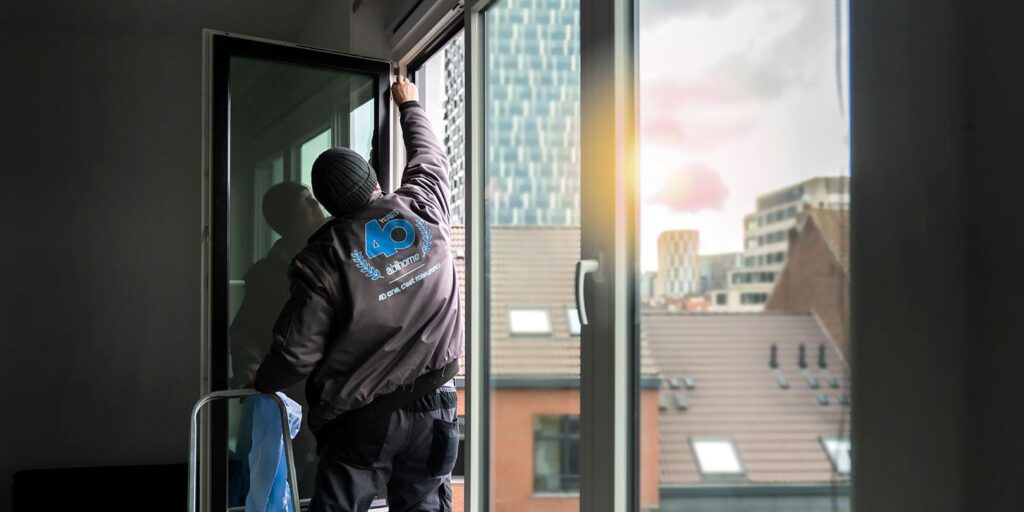
1. Window Frames, Façade and Solar Panels: Set Your Priorities
Anyone planning a renovation or construction project needs to consider costs carefully. Regardless of the size of your budget, if you want your home to be sustainable, it is important to think long term.
Start by setting your priorities: window frames, the façade, and the roof. Replacing old window frames and installing façade insulation should be among your first investments when creating a more energy-efficient home.
Other improvements, such as adding extra living space or creating additional bedrooms, can often wait. While high-quality window frames play a key role in long-term insulation, the roof is equally important. It is not only essential for reducing heat loss but also provides the ideal surface for installing solar panels and generating renewable energy.
2. PVC, Wood or Aluminium: Choosing the Right Window Frames
What is a sustainable renovation? Of course, it means making your home more energy-efficient, but it involves much more than that.
When choosing insulation or replacing your window frames, selecting the right materials is crucial. Consider using recycled materials whenever possible and adopt circular construction principles by choosing renewable resources for your window frames and other building components. Whenever you can, opt for locally sourced, certified products and natural raw materials.
Wood is particularly well suited to low-energy and passive homes. As a natural and renewable material, it offers excellent thermal insulation properties. To minimise environmental impact, make sure the wood comes from certified sources. At Abihome, we select wood bearing the PEFC label, which guarantees responsible forest management and helps protect forests' ecological, economic and social functions.
3. Think Reusability and Resource Efficiency
A sustainable renovation is about more than reducing energy consumption. It also means making the best use of space, water and materials.
Here are a few practical examples:
- Use rainwater for toilets, washing machines and outdoor taps instead of drinking water.
- Work with your architect to optimise existing spaces rather than building unnecessary extensions.
- Maximise natural daylight to reduce your dependence on artificial lighting.
- For new-build projects, focus on your actual space requirements and avoid building larger than necessary.
- Choose recycled, reusable and sustainably sourced materials whenever possible.
By making thoughtful choices from the start, you can significantly reduce your home's environmental footprint.
4. Plan Ahead
Replacing window frames, renovating the roof and installing solar panels are all important steps, but every renovation project is unique. The right priorities will depend on your home's location, condition and energy performance.
Even with a limited budget, it is important to develop a long-term renovation plan. Having a clear vision allows you to spread investments over time while ensuring that future improvements fit seamlessly into the overall project.
Think ahead, consider future upgrades and anticipate how your home may evolve over the years. Good planning helps avoid unnecessary costs and ensures each renovation stage contributes to a coherent, sustainable result.
5. Consult a Specialist
Are you planning to replace your window frames and/or front door? Unsure whether wood, PVC or aluminium is the best choice for your project?
Our specialists are here to help. Send us the details of your renovation project or contact us by phone for personalised advice. Abihome can support you throughout every stage of your renovation or construction project, helping you make sustainable choices that combine comfort, performance and long-term value.
